


India’s elevator and escalator market is projected to more than double from USD 3.54 billion in 2023 to USD 7.20 billion by 2032, growing at an 8.20% CAGR, and the competitive landscape shifted dramatically in 2026 when Johnson Lifts took majority control of Toshiba’s Indian joint venture just months before KONE and TK Elevator announced a €29.4 billion global merger. This ranking of the top 10 elevator manufacturers in India 2026 covers the homegrown volume leader, the multinationals racing to capture India’s fastest-growing major market, and the consolidation reshaping who actually competes for the next decade of vertical transportation contracts.
1. Johnson Lifts
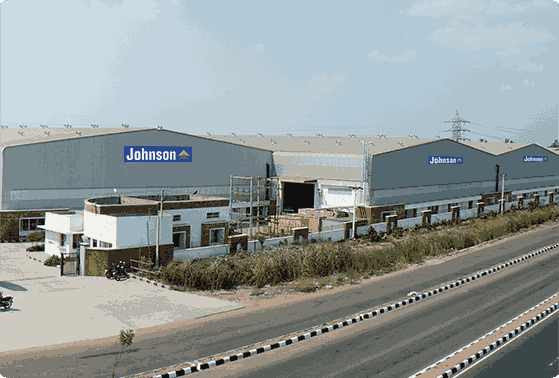
Johnson Lifts stands as India’s largest elevator manufacturer by volume and market share, known specifically for cost-effective products backed by a strong nationwide service network reaching cities that global multinationals often underserve. In a genuinely significant 2026 development, Johnson Lifts Pvt. Ltd. (JLPL) raised its stake in Toshiba Johnson Elevators (India) Pvt. Ltd. (TJEI) to over 80%, taking majority control specifically to access Toshiba’s premium technology and gain ground in India’s fast-growing real estate market.
That Toshiba acquisition genuinely repositions Johnson Lifts from a pure cost-focused domestic manufacturer into a company with credible premium-segment technology access, letting it compete for higher-value contracts against KONE, Otis, and Schindler while retaining the nationwide service density that has always been its core competitive advantage over global multinationals with thinner Indian distribution.
2. KONE India
KONE holds a 25% market share in India, the country’s single largest share among all elevator manufacturers, and operates through KONE Elevator India Private Limited with a strong manufacturing and R&D base in Chennai supporting residential, commercial, and infrastructure projects across metro and emerging cities. In 2026, KONE Corporation announced an agreement to combine with TK Elevator in a €29.4 billion global deal, a genuinely transformative consolidation that will reshape competitive dynamics across every market where both companies currently operate, including India.
KONE’s product portfolio spans elevators, escalators, and moving walks alongside 24/7 Connected Services and DX-class smart elevators, and its Chennai manufacturing base gives it genuine local production capability rather than relying purely on imports, a distinction that matters considerably for cost-competitive bidding on India’s high-volume residential and mid-market commercial projects.
3. Otis India
Otis has doubled its new equipment orders in India over three years and explicitly identifies the country as its fastest-growing major global market, launching its Gen3 elevator series specifically designed for high-rise buildings and smart building solutions. That order growth trajectory positions Otis as the clearest momentum story among the multinational leaders, with the company’s global scale, having ranked as the world’s largest elevators and escalators manufacturer by revenue in 2023, giving it genuine R&D resources to keep pushing energy-efficient, high-rise-optimised products into the Indian market.
Otis’s aggressive growth in India reflects the broader multinational recognition that the country’s urbanisation and high-rise construction boom represents one of the most significant remaining growth opportunities in an otherwise mature global elevator industry, explaining why Otis, KONE, and Schindler are all simultaneously investing heavily in Indian capacity and product localisation.
4. Schindler India
Schindler India reported ₹3,290 crore in FY25 revenue, and in 2026 launched a new range of customisable elevator interiors featuring diverse materials, colours, and themed designs, letting architects and developers integrate aesthetics with functionality while maintaining performance and reliability. The company’s strategic focus centres on infrastructure-led growth, digital service platforms, and high-rise residential solutions, strengthening its position specifically in metro, airport, and urban development projects across India.
That customisable interior launch reflects Schindler’s genuine bet that design flexibility, not just core mechanical performance, has become a meaningful differentiator as Indian developers increasingly compete on building aesthetics and passenger experience, particularly in premium residential and commercial towers where elevator interiors function as a visible brand statement for the building itself.
5. TK Elevator (formerly ThyssenKrupp Elevator)
TK Elevator operates in India as ThyssenKrupp Elevator (India) Pvt. Ltd., and the company’s global 2026 agreement to combine with KONE Corporation in a €29.4 billion deal represents one of the most significant consolidation events in the global elevator industry’s recent history, with direct implications for how the combined entity will compete in India specifically. That merger, still working through regulatory and integration processes, will likely reshape India’s competitive landscape considerably, potentially combining KONE’s 25% domestic market share with TK Elevator’s own Indian installed base and service network.
6. Mitsubishi Electric India
Mitsubishi Electric India brings the parent company’s Building Systems segment expertise, which generated the equivalent of roughly $4.1 billion globally in FY2024, into India’s elevator and escalator market, competing alongside KONE, Otis, and Schindler for premium commercial and high-rise residential contracts. The company’s continued presence among India’s recognised key elevator manufacturers reflects genuine technological credibility built through Mitsubishi’s broader global engineering reputation across industrial and building automation categories.
7. Hitachi Lift India
Hitachi Lift India Private Limited operates as one of the established multinational players in India’s elevator market, offering residential and commercial lift systems alongside escalators and moving walkways as part of its broader vertical transportation portfolio. The company’s continued investment in Indian marketing and servicing infrastructure reflects the same broader multinational confidence in India’s urbanisation-driven demand growth that’s attracting Otis, KONE, and Schindler to expand capacity simultaneously.
8. Fujitec India
Fujitec India Private Limited brings Japanese engineering standards into India’s competitive elevator landscape, with its parent company generating sales equivalent to roughly $1.5 billion globally in FY2024, competing alongside Mitsubishi Electric and Hitachi as one of the Japanese engineering names serving India’s commercial and residential vertical transportation demand. Fujitec’s continued participation in India’s elevator market, despite considerably smaller domestic scale than KONE or Johnson Lifts, reflects the genuinely broad field of international competitors India’s rapidly growing construction sector now supports.
9. Toshiba Johnson Elevators (TJEI)
Toshiba Johnson Elevators (India) Pvt. Ltd. represents the joint venture now majority-controlled by Johnson Lifts following its 2026 stake increase to over 80%, combining Toshiba’s premium elevator technology with Johnson Lifts’ existing manufacturing and nationwide service infrastructure. That combined entity faces genuinely strong competition from Otis, which has doubled orders in three years, and KONE, which holds a quarter of the entire domestic market, meaning TJEI’s success depends on effectively translating Toshiba’s technology transfer into premium-segment wins without losing the cost-competitive positioning that built Johnson Lifts’ original volume leadership.
10. ESCON Elevators
ESCON Elevators operates as one of India’s established domestic elevator manufacturers, appearing consistently among the key players profiled in industry market research alongside Bharat Bijlee, Bengal Lift Maintenance Co, and other regional Indian manufacturers serving segments of the market that global multinationals price out of contention. ESCON’s continued presence within this competitive field reflects the genuine depth of India’s elevator manufacturing ecosystem beyond the handful of dominant multinational names, serving cost-sensitive residential and smaller commercial projects across the country.
Frequently Asked Questions
Q1. Which company holds the largest market share in India’s elevator industry?
A: KONE holds the largest single market share at 25%, though Johnson Lifts remains India’s largest elevator manufacturer by volume specifically, reflecting the difference between KONE’s premium multinational positioning and Johnson Lifts’ cost-competitive, high-volume domestic manufacturing model.
Q2. How will the KONE-TK Elevator merger affect India’s elevator market?
A: The €29.4 billion global merger, announced in 2026, will likely combine KONE’s 25% Indian market share with TK Elevator’s own domestic installed base and service network once regulatory approvals and integration complete, potentially creating the single largest multinational player in India’s elevator industry.
Q3. Why did Johnson Lifts acquire majority control of Toshiba Johnson Elevators?
A: Johnson Lifts raised its stake in the joint venture to over 80% specifically to gain access to Toshiba’s premium elevator technology, letting it compete for higher-value contracts in India’s fast-growing real estate market while retaining its existing cost-competitive, nationwide service network advantage.
Q4. Why does Otis consider India its fastest-growing major market?
A: Otis has doubled its new equipment orders in India over just three years, driven by the country’s rapid urbanisation and high-rise construction boom, and the company has responded by launching its Gen3 elevator series specifically designed for energy-efficient performance in high-rise buildings.
Q5. What’s driving overall growth in India’s elevator and escalator market?
A: Rapid urbanization, rising high-rise residential and commercial construction in cities like Gurugram, Mumbai, and Bengaluru, and growing demand for smart elevators with IoT-enabled predictive maintenance are together driving the market from USD 3.54 billion in 2023 toward a projected USD 7.20 billion by 2032.