

India’s electric two-wheeler industry sold 1.36 million units in the first eight months of 2026 alone, already closing in on the 2-million-unit annual milestone that once seemed years away, with TVS and Bajaj together now controlling over half the entire market. This ranking of the top 10 electric two-wheeler manufacturers in India 2026 tracks who’s actually converting that growth into sustained share, and who’s losing ground even as the overall pie keeps expanding.
1. TVS Motor Company
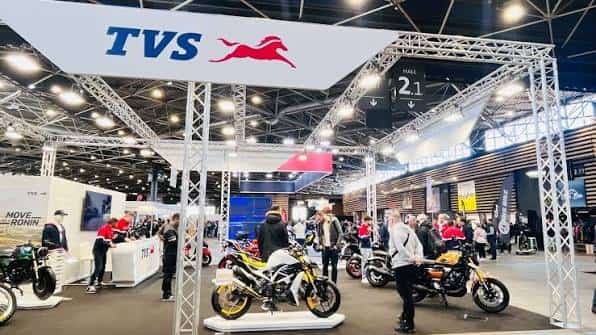
TVS Motor retained the top spot through January-August 2026 with 3,56,579 units sold, a 77% year-on-year increase giving it a 26% share of India’s electric two-wheeler market, and the company had already surpassed its full 2025 tally of 3,15,082 units by more than 41,000 units before August even closed. Its best month came in July, when TVS delivered 55,823 units, the highest single-month figure ever recorded by any electric two-wheeler manufacturer in India, driven by the iQube and newer Orbiter models.
TVS Motor’s market capitalisation overtook Hero MotoCorp’s in 2022 to make it the sixth-largest automobile company in India by market value, and that valuation gap has only widened since as TVS has consistently posted the strongest earnings upgrades among two-wheeler makers, reflecting genuine investor confidence that its EV execution, not just its legacy ICE business, is driving the re-rating.
2. Bajaj Auto
Bajaj Auto sold 3,05,226 units of its Chetak scooter through the first eight months of 2026, up 69% year-on-year for a 22% market share, making it the second manufacturer after TVS to cross the 3-lakh mark in electric scooter sales within a single calendar year. The company’s growth has been driven substantially by the VX2 Go and Plus models, aided by a Battery-as-a-Service pricing option that lowers the effective upfront cost for buyers still hesitant about EV pricing relative to petrol scooters.
Bajaj’s rapid EV rollout has genuinely surprised a market that historically perceived the company as slower to innovate in electric mobility compared to pure-play startups, and its 72% year-on-year growth recorded in some individual months has come specifically from aggressive product rollout paired with the brand trust built over decades of ICE two-wheeler dominance.
3. Ather Energy
Ather Energy sold 27,024 units in April 2026 alone, more than doubling its volumes with 103% year-on-year growth and an 18% market share that month, while its FY26 full-year sales grew 82.3% to 2.39 lakh units and its cumulative retail sales surpassed 600,000 units. The Bengaluru-based EV maker launched the new Konarc on August 29, 2026, a more accessible, mass-market product positioned directly against the TVS iQube and Bajaj Chetak, aimed squarely at intensifying competition for the top three positions.
Ather’s steady climb toward the No. 2 position, holding roughly 16-17% market share through much of 2026, reflects what analysts describe as arguably the most disciplined pure-EV business in India, having moved well beyond its earlier reputation as a premium, Bengaluru-only niche startup into a genuine national contender competing on volume against two legacy two-wheeler giants.
4. Hero Vida (Hero MotoCorp)
Vida, Hero MotoCorp’s EV brand, grew 196% in FY26 and nearly tripled its sales to 1.44 lakh units, crossing cumulative sales of 200,000 units including 100,000 sold within an eight-month span, with July 2026 marking its best-ever month at 22,989 units. That momentum softened somewhat heading into late August, when Vida’s provisional market share slipped from 11.2% in July to 9.8%, registering 14,388 units during August 1-26 compared to 23,030 units in July, a reminder that even the fastest-scaling major OEM can see month-to-month volatility.
Vida’s rapid rise from a standing start to a firmly established No. 4 position within roughly two years illustrates how quickly Hero MotoCorp’s existing dealer network and brand trust translated into genuine EV market share once the company committed fully to the segment, a pattern echoed by Bajaj’s Chetak trajectory.
5. Ola Electric
Ola Electric has remained in fifth place among major manufacturers for multiple consecutive months in 2026, retailing 12,166 units in April, a 39% year-on-year decline, and posting a further 26.94% year-on-year drop in Q2 2026 retail sales to 43,462 units, making it the only major player among the top five to register a quarterly decline during that period. Despite the sustained volume erosion, the company has shown signs of sequential month-on-month recovery at points during the year, though it remains under genuine competitive pressure from the four legacy-backed manufacturers now dominating incremental industry growth.
Ola’s decline stands in sharp contrast to its earlier status as India’s original electric scooter market leader, and the fact that TVS, Bajaj, Hero MotoCorp, and Ather together captured 95.6% of the industry’s incremental registrations in H1 2026 underscores just how completely established automakers with existing dealer and service infrastructure have reshaped competitive dynamics against the pure-play EV pioneer.
6. Greaves Electric Mobility (Ampere)
Greaves Electric Mobility, which markets the Ampere range, secured sixth position with 6,884 units in April 2026, up 72% year-on-year, holding a 5% market share that month, and has continued expanding volumes through the June quarter alongside River EV and BGauss. That consistent double-digit percentage growth, even while trailing the top five by absolute volume, reflects genuine sustained demand for Ampere’s positioning in price-sensitive segments where TVS, Bajaj, and Ather compete less aggressively.
Ampere’s continued momentum through mid-2026, registering growth in a market where even Ola Electric struggled, suggests the brand has found a genuinely durable niche among cost-conscious buyers even as the four legacy-backed leaders absorb the overwhelming majority of new market growth.
7. River
River continues expanding its volumes as one of the newer entrants gaining traction through the April-June 2026 quarter, registering positive growth alongside BGauss even as most of the market’s attention concentrates on the top four OEMs. As a premium-positioned electric scooter challenger, River’s continued participation in the monthly Top 10 rankings, even at comparatively modest absolute volumes, reflects genuine niche demand for its specific product positioning within India’s increasingly crowded electric scooter segment.
8. BGauss
BGauss registered continued volume expansion through the June quarter of 2026, appearing consistently among India’s actively tracked electric two-wheeler manufacturers even as the industry’s growth concentrates overwhelmingly among the four dominant legacy-backed players. That persistent presence in monthly sales data, despite operating at a considerably smaller scale than TVS or Bajaj, reflects the genuinely fragmented tail of India’s e-2W market beyond its top four names.
9. Okinawa Autotech
Okinawa Autotech remains one of the earlier entrants into India’s electric two-wheeler space, continuing to compete for market share even as intensifying competition from larger legacy automakers has reshaped the competitive landscape considerably since the company’s early years in the segment. Its continued operation despite this pressure reflects the genuine staying power some early-mover EV brands have maintained even without matching the growth rates posted by TVS, Bajaj, Ather, or Hero Vida.
10. Kinetic Green
Kinetic Green, through its Kinetic Kool series, brings decades of two-wheeler manufacturing heritage from the broader Kinetic Group into the electric segment, competing at a considerably smaller scale than the market’s dominant four names but maintaining a presence within India’s broader, increasingly diversified electric two-wheeler manufacturing landscape.
Frequently Asked Questions
Q1. Which company currently leads India’s electric two-wheeler market by volume in 2026?
A: TVS Motor Company leads with 3,56,579 units sold in the first eight months of 2026, a 26% market share and 77% year-on-year growth, having already surpassed its full 2025 sales total before August closed. Bajaj Auto follows closely with 3,05,226 units and a 22% share, meaning TVS and Bajaj together now control more than half the entire market.
Q2. Why has Ola Electric’s market position declined so sharply while other manufacturers grow?
A: Ola Electric posted a 39% year-on-year sales decline in April 2026 and a further 26.94% drop in Q2 2026, making it the only major top-five player to register a quarterly decline, while TVS, Bajaj, Ather, and Hero Vida collectively captured 95.6% of the industry’s incremental registrations in H1 2026 through their established dealer networks and brand trust.
Q3. What is driving Ather Energy’s push toward the No. 2 market position?
A: Ather launched the more accessible, mass-market Konarc scooter on August 29, 2026, positioned directly against the TVS iQube and Bajaj Chetak, building on FY26 sales growth of 82.3% and cumulative retail sales surpassing 600,000 units, giving it roughly 16-18% market share through much of 2026.
Q4. How large is India’s overall electric two-wheeler market expected to become?
A: The industry sold a record 1.4 million units in FY2026 and has already reached 1.36 million units in just the first eight months of 2026, putting it on track to achieve the 2-million-units-a-year milestone for the first time, driven overwhelmingly by TVS, Bajaj Auto, Ather Energy, and Hero Vida’s combined growth.
Q5. Are smaller manufacturers like Greaves Ampere, River, and BGauss still relevant given the top four’s dominance?
A: Yes, these smaller players continue registering consistent volume growth each quarter, with Greaves Electric Mobility (Ampere) posting 72% year-on-year growth in April 2026 alone, showing that genuine demand persists in price-sensitive and niche segments even as TVS, Bajaj, Ather, and Hero Vida absorb the overwhelming majority of the market’s incremental growth.