


India’s clothing and apparel retail market is one of the world’s fastest-growing — projected to cross ₹9 lakh crore by 2027, driven by rising disposable incomes, growing fashion consciousness across Tier-2 and Tier-3 cities, and the shift from unorganised local tailors and bazaar shopping toward branded retail experiences that offer consistent quality, size standardisation, and aspirational brand identity. Clothing franchises occupy a particularly attractive position in this growth story — offering entrepreneurs established brand recognition, proven retail systems, supplier relationships, and marketing support that independent clothing stores cannot match competitively.
For entrepreneurs evaluating clothing franchise opportunities in 2026, India’s market offers options across every investment level — from affordable ethnic wear franchises accessible to small-town entrepreneurs to premium international brands requiring significant capital with correspondingly strong revenue potential.
| Franchise | Investment Range | Area Required | Royalty Fee | Payback Period |
| Fabindia | ₹50 lakh–₹1.5 crore | 1,500–3,000 sq ft | 8–10% | 3–5 years |
| Biba | ₹30 lakh–₹80 lakh | 500–1,500 sq ft | 6–8% | 3–4 years |
| Manyavar | ₹30 lakh–₹60 lakh | 800–1,500 sq ft | 5–7% | 2–4 years |
| W for Woman | ₹20 lakh–₹50 lakh | 500–1,000 sq ft | 5–6% | 2–3 years |
| Jockey | ₹15 lakh–₹40 lakh | 300–600 sq ft | 5% | 2–3 years |
1. Fabindia — India’s Premium Ethnic and Sustainable Fashion Brand
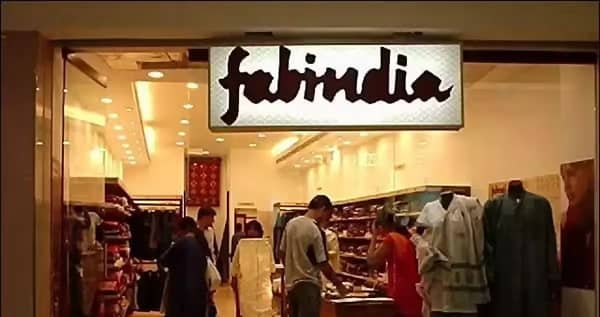
Fabindia is India’s most prestigious ethnic and organic clothing franchise — occupying a unique market position as the preferred destination for educated, affluent, environmentally conscious Indian consumers seeking handloom fabrics, natural dyes, and artisan-crafted clothing that fast fashion cannot provide. With over 300 stores nationally and a deeply loyal customer base spanning urban professionals and NRI consumers, Fabindia’s franchise opportunity is among India’s most aspirational retail investments.
Investment of ₹50 lakh–₹1.5 crore reflects the premium store format requirements — large format outlets in quality retail locations, specific wooden fixture aesthetics, and a comprehensive product range covering clothing, home furnishing, and organic food. The brand’s expansion into Tier-2 cities including Coimbatore, Vadodara, and Mysore has demonstrated that Fabindia’s appeal extends well beyond metropolitan markets — creating franchise territory opportunities in cities where premium ethnic retail was previously unavailable.
Average ticket values of ₹2,000–₹5,000 per purchase and high repeat customer frequency among brand loyalists generate monthly revenues of ₹15–40 lakh at well-located stores. The brand’s conscious fashion positioning has strengthened rather than weakened through growing consumer awareness of sustainability — making Fabindia’s market positioning increasingly rather than decreasingly relevant as younger Indian consumers develop ethical consumption values.
Key Advantage: Premium positioning with virtually no direct comparable competitor, deeply loyal customer base, and growing sustainability trend alignment.
2. Biba — India’s Leading Women’s Ethnic Wear Franchise
Biba has established itself as India’s most commercially successful mid-premium women’s ethnic wear brand — serving the enormous market of Indian women seeking well-designed, well-fitted salwar suits, kurtis, and ethnic coordinates at accessible price points between fast fashion and luxury. With over 350 stores across 100+ cities, Biba’s franchise infrastructure is mature, its supply chain is reliable, and its brand recognition among its target demographic is exceptionally strong.
Investment of ₹30–80 lakh for a 500–1,500 sq ft retail format covers fit-out, initial inventory, and franchise fee. The brand’s consistent seasonal collections, national advertising investment, and e-commerce presence that drives store footfall creates a franchise proposition where the parent company’s marketing efforts directly benefit franchisee revenues. Biba’s festive season performance — Diwali, wedding season, and Navratri driving extraordinary sales spikes — creates predictable high-revenue periods that help franchisees plan inventory and staffing effectively.
Monthly revenues of ₹8–20 lakh at active store locations with consistent 40–50% gross margins on ethnic wear deliver competitive investment returns in the 3–4 year payback range.
Key Advantage: India’s most recognised mid-premium ethnic women’s brand, festive season revenue spikes, and a target demographic of Indian women representing one of retail’s largest and most loyal spending segments.
3. Manyavar — India’s Dominant Men’s Ethnic Wear Franchise
Manyavar has achieved something remarkable in Indian retail — creating a premium branded category in men’s ethnic wear that previously had no organised national player of significance. Weddings, festivals, and formal celebrations representing India’s enormous occasion-wear market are Manyavar’s core territory, and the brand’s association with celebrity ambassadors and aspirational wedding imagery has made it the default choice for Indian men seeking sherwani, kurta-pajama, and traditional festive wear.
Investment of ₹30–60 lakh for an 800–1,500 sq ft format in quality retail locations targets the wedding-heavy catchment areas — mall locations, high-street commercial areas near wedding venues, and markets with heavy bridal shopping traffic. The seasonal concentration of Manyavar’s business — wedding seasons of November–February and April–June driving disproportionate revenues — requires careful working capital management but creates predictable high-revenue windows that franchisees can plan around.
The brand’s Mohey women’s ethnic extension has increased per-store revenue potential by capturing female co-shoppers who accompany male customers — a smart merchandising strategy that improves average transaction values and store productivity simultaneously.
Key Advantage: India’s most dominant occasion-wear brand for men with no credible national competitor, high average transaction values of ₹5,000–₹25,000, and consistent wedding season demand that creates reliable high-revenue periods.
4. W for Woman — Contemporary Indian Women’s Wear
W for Woman has carved India’s most successful positioning in the contemporary Indian women’s segment — clothing that bridges traditional Indian aesthetics with modern, workwear-appropriate silhouettes that professional women wear confidently in office and social contexts. As Indian women’s workforce participation continues growing and the demand for professional yet culturally appropriate clothing increases, W’s market positioning has become increasingly relevant.
Investment of ₹20–50 lakh for a compact 500–1,000 sq ft format makes W accessible at lower capital thresholds than comparable franchise investments. The brand’s strong e-commerce presence and omnichannel integration mean physical franchise stores benefit from online brand awareness that drives footfall without requiring proportional local advertising spend. W’s parent company TCNS Clothing’s listed status provides financial transparency and governance standards that privately held franchise parents cannot match.
Monthly revenues of ₹6–15 lakh at well-located stores with the brand’s consistent contemporary Indian aesthetic delivering strong appeal to urban working women between 25 and 45.
Key Advantage: Contemporary Indian professional women’s wear positioning, lower investment threshold than comparable brands, and listed parent company providing governance transparency.
5. Jockey — India’s Leading Innerwear and Casual Wear Franchise
Jockey’s exclusive brand outlet franchise represents India’s most reliable mid-investment clothing franchise opportunity — the brand’s extraordinary penetration across income levels, its essential-purchase product category, and its expansion from innerwear into athleisure and casual wear have created a franchise model with genuinely consistent year-round revenue rather than the seasonal dependency that characterises fashion clothing franchises. Page Industries’ management of Jockey India provides institutional-quality supply chain, quality control, and marketing investment.
Investment of ₹15–40 lakh for a 300–600 sq ft compact format makes Jockey one of the most capital-efficient clothing franchise investments available — and the non-seasonal nature of innerwear and essential casual wear creates business stability that fashion-dependent franchises cannot match.
Key Advantage: Essential-purchase category with year-round demand, lowest investment among premium clothing franchise options, and India’s most trusted innerwear brand.
Frequently Asked Questions (FAQs)
Q: Which clothing franchise requires the lowest investment in India 2026?
A: Jockey exclusive brand outlet requires the lowest investment — ₹15–40 lakh — with year-round demand making it financially accessible and operationally stable.
Q: Which clothing franchise is most profitable in India?
A: Manyavar and Biba typically deliver the strongest returns during peak wedding and festive seasons. Jockey provides the most consistent year-round profitability.
Q: Can clothing franchises work in Tier-2 cities?
A: Yes — Biba, Manyavar, and Jockey all perform strongly in Tier-2 cities. Fabindia has also successfully expanded into large Tier-2 markets.
Q: How much space is needed for a clothing franchise store?
A: Requirements vary significantly — Jockey needs 300–600 sq ft while Fabindia requires 1,500–3,000 sq ft. Location quality matters more than size for most clothing franchises.
Q: Do clothing franchise owners need fashion retail experience?
A: Not mandatory — all major brands provide comprehensive training. Retail management skills, customer service orientation, and financial discipline matter most.
 Saurav