


Chennai — Tamil Nadu’s commercial and cultural capital — offers small business entrepreneurs a distinctive and genuinely rewarding operating environment that differs meaningfully from other major Indian metros. With a population exceeding 11 million, a strong manufacturing and IT services base, one of India’s largest and most commercially active ports, a deeply rooted local culture that values quality and authenticity over novelty, and a rapidly growing middle class with increasing discretionary spending, Chennai in 2026 presents specific business opportunities that smart entrepreneurs can build profitable ventures around.
Chennai’s particular market characteristics — conservative yet quality-conscious consumers, strong local brand loyalty, a large working professional base in IT corridors like OMR and TIDEL Park, and robust traditional cultural and religious spending patterns — define which business ideas succeed and which struggle in this specific market context.
| Business Idea | Investment Required | Monthly Revenue Potential | Target Customers | Competition Level |
| South Indian Tiffin/Catering Service | ₹30,000–₹1.5 lakh | ₹60,000–₹2.5 lakh | IT professionals, families | Medium |
| Tuition/Coaching Centre | ₹20,000–₹80,000 | ₹50,000–₹2 lakh | Students, competitive exam aspirants | Medium-High |
| Tailoring and Boutique | ₹50,000–₹2 lakh | ₹40,000–₹1.5 lakh | Women, wedding customers | Low-Medium |
| IT Support and Services | ₹30,000–₹1 lakh | ₹80,000–₹3 lakh | SMBs, local businesses | Medium |
| Event Planning and Decoration | ₹40,000–₹1.5 lakh | ₹60,000–₹2.5 lakh | Families, corporates | Medium |
1. South Indian Tiffin and Catering Service
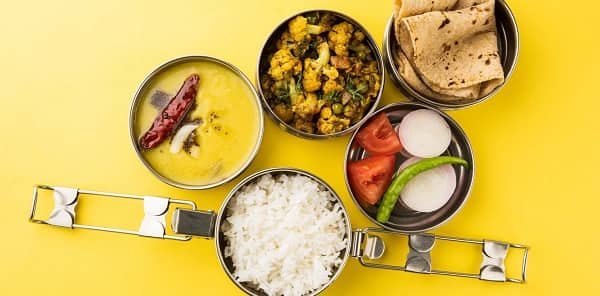
Chennai’s food culture is among India’s most distinctive and most demanding — Tamil consumers have exceptionally high standards for authentic South Indian cooking and will pay premium prices for genuinely good idli, sambar, rasam, kootu, and traditional rice preparations that match the quality benchmark their home cooking has established. This combination of high food standards, willingness to pay for quality, and the enormous working population of Chennai’s IT corridors creates outstanding opportunity for authentic South Indian tiffin and catering services.
The OMR, Sholinganallur, and Perungudi IT corridors house hundreds of thousands of working professionals — many relocated from other Tamil Nadu cities or states who have no home-cooked Tamil food access. A subscription tiffin service offering genuine traditional Brahmin-style or Chettinad-style cooking commands monthly subscription fees of ₹4,000–₹6,000 — creating predictable recurring revenue from the 30–50 initial subscribers that most quality services attract through word-of-mouth referrals alone.
Wedding and function catering for Chennai’s frequent family celebrations — using traditional recipe books and authentic regional specialties — adds high-revenue event-based income to the daily subscription base.
Key Success Factors: Absolute consistency in food quality and taste, reliable daily delivery, and authentic recipe execution that passes the discerning standards of Tamil food culture.
2. Tuition and Coaching Centre
Chennai’s educational culture is among India’s most academically competitive — Tamil families invest proportionally more in children’s education than most other Indian regional demographics, and the demand for quality tuition across school subjects, competitive entrance examinations (NEET, JEE, TNPSC), and professional certifications creates enormous and consistently growing coaching demand. The concentration of competitive exam aspirants and families prioritising academic achievement makes Chennai one of India’s most receptive markets for quality educational services.
Starting a neighbourhood tuition centre for school students requires minimal infrastructure — a dedicated room or small rented space, whiteboards, and subject expertise — making it one of Chennai’s most accessible small business opportunities. Specialisation in NEET preparation — serving the enormous Tamil Nadu medical aspirant population — or TNPSC group examinations targeting government job aspirants commands premium fees and builds reputational credential that drives referral-based growth.
Monthly fees of ₹1,500–₹5,000 per student across 20–50 students generate ₹50,000–₹2 lakh monthly revenues from a single location, with expansion to online classes adding students beyond the immediate geographical catchment.
Key Success Factors: Teaching quality and examination results track record — Chennai’s education market is intensely word-of-mouth driven and one strong student success story generates multiple referrals.
3. Tailoring and Boutique
Chennai’s strong silk saree culture, high demand for customised blouse stitching, and the enormous wedding-related clothing market create exceptional opportunity for skilled tailoring and boutique businesses. Tamil weddings — among India’s most elaborate and most textile-intensive celebrations — generate substantial per-event spending on saree blouses, ethnic suits, and occasion wear that requires skilled craftsmanship rather than mass-produced ready-to-wear.
A boutique combining custom stitching with curated fabric retail targeting Chennai’s middle and upper-middle-class women — particularly in residential areas like Anna Nagar, Adyar, and Velachery — addresses a specific and consistent demand that exists independently of fashion trends. Specialisation in bridal blouse work, designer saree stitching, or customised ethnic coordinates commands ₹800–₹3,000 per garment at margins that make skilled tailoring genuinely financially rewarding.
Key Success Factors: Technical stitching excellence, reliable delivery timelines, and social media presence showcasing finished work that attracts wedding season clientele through Instagram discovery.
4. IT Support and Services for Local Businesses
Chennai’s large base of small and medium businesses — manufacturing firms, trading companies, retail establishments, clinics, and professional services — require ongoing IT support that their budgets cannot justify full-time in-house staff for. Computer maintenance, network setup, data backup implementation, printer servicing, and software troubleshooting represent consistent daily demand from thousands of Chennai SMBs who currently rely on unreliable ad-hoc technicians.
An IT support business offering monthly AMC (Annual Maintenance Contract) services to 20–30 local businesses generates predictable recurring income of ₹80,000–₹2 lakh monthly — with individual AMC contracts priced at ₹3,000–₹8,000 per business depending on infrastructure complexity. The relationship-based nature of IT support creates strong client retention — businesses that find reliable IT partners rarely switch.
Key Success Factors: Rapid response time — Chennai’s business culture values reliability extremely highly — and the ability to clearly communicate technical solutions to non-technical business owners.
5. Event Planning and Decoration
Chennai’s year-round celebration culture — weddings, house warming ceremonies (griha pravesham), naming ceremonies, birthdays, and corporate events — creates consistent demand for professional event planning and decoration services that exceed what families can organise independently. The growing preference for themed, Instagram-worthy celebrations even at traditional Tamil functions has expanded the addressable market beyond luxury segments into the mainstream middle class.
Starting with floral decoration, balloon theming, and stage setup for birthday parties and small family events builds portfolio and client relationships before graduating to wedding event coordination that commands ₹50,000–₹3 lakh per event. Investment in reusable decoration inventory — backdrop stands, fairy lights, prop collections — builds a physical asset base that improves margins on each subsequent event.
Key Success Factors: A strong Instagram portfolio of completed events, reliable vendor network for catering and photography referrals, and the logistics discipline that makes multi-vendor event coordination succeed.
Frequently Asked Questions (FAQs)
Q: Which is the most profitable small business in Chennai for beginners?
A: Tuition and coaching centres offer the lowest investment with strong revenue potential — Chennai’s education-focused culture creates consistent demand that beginners with subject expertise can capture quickly.
Q: Is the food business competitive in Chennai?
A: Competitive but rewarding for quality operators — Chennai consumers pay premium prices for genuinely authentic South Indian cooking, creating strong differentiation opportunities for businesses prioritising food quality.
Q: What areas in Chennai are best for small businesses?
A: OMR and Sholinganallur for IT professional-focused services, Anna Nagar and Adyar for retail and services targeting established middle-class residential areas, and T. Nagar for fashion and retail businesses.
Q: Do small businesses in Chennai need specific licences?
A: Food businesses require FSSAI registration. All businesses need GST registration above ₹20 lakh turnover. Local trade licences from the Chennai Corporation apply to commercial premises.
Q: How important is Tamil language capability for Chennai small businesses?
A: Very important for customer-facing businesses — Chennai consumers appreciate service providers who communicate in Tamil and it builds the trust and rapport that drives referrals in Chennai’s relationship-based business culture.
 Saurav