



A low CIBIL score — typically anything below 650 — is one of the most common barriers to loan approval in India and can make people feel financially trapped, unable to access credit precisely when they need it most. However, a low score does not mean you have zero loan options. India’s lending ecosystem has evolved significantly, with multiple lender types catering to different risk profiles. Simultaneously, there are specific strategies to access credit despite a low score while systematically rebuilding your profile for better access in the future.
Understanding What a Low CIBIL Score Means
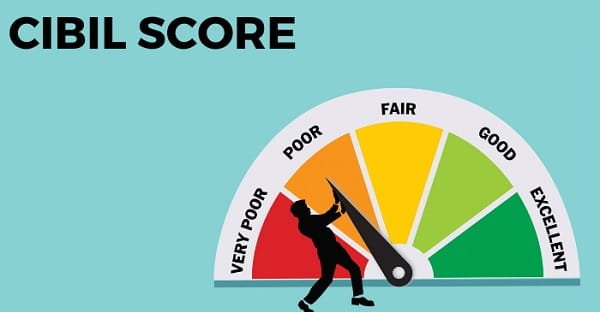
A CIBIL score ranges from 300 to 900. Scores above 750 are considered excellent. Scores between 650 and 749 are fair — some lenders will approve with higher interest rates. Scores between 550 and 649 are poor — mainstream bank approval is difficult. Scores below 550 are very poor — conventional bank lending is largely inaccessible. A low score is typically caused by missed or delayed EMI payments, loan defaults, high credit card utilisation, short credit history, or a previous loan settlement. The score is not permanent — it responds to changed financial behaviour, usually within 6–12 months of consistent positive actions.
Option 1 — NBFCs and Digital Lending Platforms
While public sector banks and most private banks have minimum credit score requirements of 700–750, several NBFCs (Non-Banking Financial Companies) and RBI-licensed digital lending platforms extend credit to applicants with scores in the 550–650 range. These institutions price the higher risk into higher interest rates rather than blanket rejection. Examples include NBFCs focused on subprime personal lending, microfinance institution loans, and digital fintech lending apps that use alternative credit assessment models incorporating bank statement analysis, employment verification, and behavioural data alongside the CIBIL score. The trade-off — higher interest rates of 18–36% annually — is the cost of credit access during score rehabilitation. Use these options strategically for genuine needs, not convenience, and repay perfectly to rebuild your score.
Option 2 — Secured Loans Against Assets
Secured loans — where you pledge a physical or financial asset as collateral — are significantly easier to obtain regardless of credit score because the lender has direct recovery security. Gold loans from banks and NBFCs like Muthoot Finance and Manappuram Finance require no credit score assessment and are approved based purely on the gold value. Loans against fixed deposits are available at 1–2% above the FD interest rate with guaranteed approval regardless of CIBIL score. Loans against insurance policy surrender value, mutual fund units, and property (loan against property) are similarly easier to obtain with a low score than clean unsecured personal loans. These products serve immediate credit needs while you rebuild your unsecured credit access.
Option 3 — Secured Credit Card to Build Credit History
A secured credit card — issued against a fixed deposit of typically ₹10,000–₹50,000 — provides a genuine credit product available to individuals with low or no credit history. Using the secured credit card for routine small purchases — grocery, fuel, utility bill payments — and paying the full outstanding balance before the due date every month creates a consistent stream of positive payment history in your credit report. Within 6–12 months of disciplined secured credit card usage, most individuals see meaningful CIBIL score improvement that begins unlocking access to unsecured lending products.
Option 4 — Apply With a Co-Applicant or Guarantor
Adding a co-applicant with a strong CIBIL score substantially improves the application’s overall credit profile. The bank assesses the combined credit profile with the stronger co-applicant’s score compensating for your lower score. Joint home loans with a spouse, parent, or sibling whose score is 750+ regularly receive approval even when the primary applicant’s score is in the 600–650 range. The co-applicant must understand they are equally liable for repayment and that the loan will appear on their credit report — missed payments will damage both profiles simultaneously.
Option 5 — Microfinance and Self-Help Group Loans
For smaller loan requirements — typically ₹25,000 to ₹2 lakhs — microfinance institutions and registered self-help groups provide credit to individuals outside the mainstream banking credit system. These institutions focus on character assessment, group guarantee mechanisms, and financial inclusion mandates rather than formal credit scores. Successful repayment of microfinance loans gradually builds formal credit history and contributes positively to CIBIL scores over time.
Simultaneously Rebuilding Your Credit Score
Accessing credit with a low score should always be paired with active score rehabilitation. Pay every single EMI and credit card bill on time — every month without exception — for the next 12 months. This single behaviour is the most powerful credit score builder available. Reduce existing loan balances and credit card outstanding. Avoid applying for new credit products more frequently than once every 3–6 months to limit hard inquiries. Do not close old credit accounts with positive payment history — account age contributes positively to your score. Request goodwill adjustments from lenders for isolated late payments that were exceptions to otherwise good payment behaviour.
What to Avoid When Your Score is Low
Never apply to multiple banks simultaneously in desperation — the multiple hard inquiries worsen your already low score. Avoid loan agents who promise guaranteed approval regardless of CIBIL score through “unofficial channels” — these almost always involve fraudulent practices. Do not settle loans for less than the full outstanding amount — a settled status further damages your score for years. Avoid payday loan products with weekly repayment cycles that carry exorbitant effective annual interest rates and create default traps that make score recovery impossible.
Frequently Asked Questions
Q: How long does it take to improve a CIBIL score from 580 to 700?
A: With consistent on-time payments, reduced utilisation, and no new defaults, moving from 580 to 700 typically takes 12–18 months of disciplined financial behaviour.
Q: Can I get a home loan with a CIBIL score of 620?
A: Standard bank home loan approval at 620 is extremely difficult. Some housing finance companies and NBFCs may approve with significantly higher interest rates and lower loan-to-value ratios.
Q: Does a zero CIBIL score mean bad credit?
A: No — a zero or NH (No History) score means you have no credit history, not bad history. Banks treat this differently from a low score — a secured credit card is the fastest way to establish an initial credit footprint.