




Every building site, farm field, and municipal water project in India runs on pipe, and it’s easy to forget that until something leaks. The country’s pipe industry splits cleanly into two worlds — heavy steel pipes carrying oil, gas, and structural loads, and PVC or CPVC pipes handling water, drainage, and plumbing — and India happens to field genuine heavyweights in both categories. Government pushes like the Jal Jeevan Mission and Smart Cities Mission have kept demand climbing on the plastic side, while infrastructure and energy projects keep the steel manufacturers busy. Here’s a look at ten companies, five from each world, doing the actual manufacturing behind India’s pipelines.
1. Tata Steel
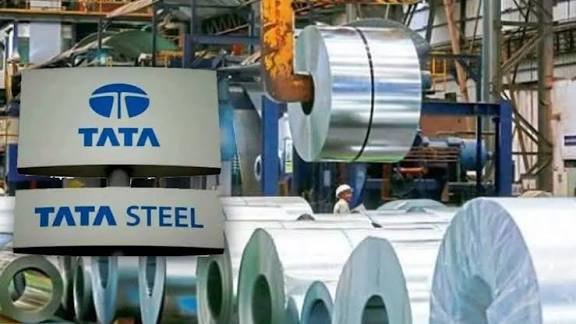
Tata Steel’s pipe business rests on a foundation few competitors can claim — the company was founded in 1907 and operates Asia’s first integrated steel plant at Jamshedpur, giving it over a century of manufacturing heritage baked directly into its brand. Its pipe division supplies construction, plumbing, and industrial applications through a nationwide distribution network that reaches deeper into smaller Indian towns than most rivals bother going.
That century-plus of trust matters more in the pipe business than people outside construction realise — buyers making a decision that’ll sit buried underground or embedded in a building’s structure for decades tend to gravitate toward names they’re certain will still exist to honour a warranty claim twenty years from now.
2. Jindal SAW
Jindal SAW built its reputation on the harder end of pipe manufacturing — submerged arc welded and seamless pipes, plus ductile iron variants, serving oil and gas transportation, water infrastructure, and long-distance pipeline projects where failure isn’t an option. Its export operations run genuinely global, supplying energy and water infrastructure well beyond Indian borders.
The company’s edge lies specifically in large-diameter, high-pressure applications — the kind of pipeline work that demands serious technical capability and production scale most smaller manufacturers simply can’t match, positioning Jindal SAW as the default choice whenever a project moves from residential plumbing into serious industrial territory.
3. APL Apollo Tubes
APL Apollo has become India’s leading manufacturer of structural steel tubes, turning out hollow sections, black pipes, and galvanised tubes that feed directly into construction, infrastructure, and real estate projects nationwide. The company has also extended its reach into PVC through its Apollo Pipes arm, giving it a foothold in both major pipe categories rather than staying confined to steel alone.
What distinguishes APL Apollo from older, more conservative steel manufacturers is its focus on structural applications specifically — the tubes that form building frameworks and support structures — a segment that’s grown considerably as India’s construction sector has shifted toward faster, steel-framed building methods.
4. Ratnamani Metals and Tubes
Ratnamani occupies a specialised, precision-engineering corner of the steel pipe world — stainless steel and carbon steel pipes and tubes built for demanding sectors like oil and gas, power generation, and water infrastructure. Its focus on precision-engineered products for exacting applications sets it apart from manufacturers chasing volume over technical specification.
For industrial buyers working in environments where corrosion resistance and pressure tolerance genuinely matter — refineries, power plants, chemical processing — Ratnamani’s specialisation makes it a frequent go-to even though it doesn’t chase the mass residential or agricultural pipe market at all.
5. Supreme Industries
Supreme remains the name most Indians actually recognise when someone mentions PVC pipes, and for good reason — it’s one of the oldest plastics manufacturers in the country and continues to hold the market leader position in 2026 for durability and trust. Its range spans irrigation, plumbing, and wastewater management, backed by a distribution footprint that reaches virtually every corner of the country.
That longevity has bought Supreme something harder to build than manufacturing capacity: default recommendation status among plumbers and contractors, the kind of brand recall where buyers simply ask for “Supreme pipe” the way they’d ask for a specific brand of anything else genuinely trusted.
6. Astral Limited
Astral has built its identity around chemistry as much as manufacturing — its CPVC, PVC, and UPVC pipes serve plumbing, drainage, and industrial piping across more than 40 countries, alongside a genuinely significant adhesives and sealants business that most competitors don’t bother developing. That diversification gives Astral a hedge that pure pipe manufacturers lack when construction cycles slow.
Its export reach, unusual for an Indian plastic pipe company, reflects a deliberate strategy of treating international markets as core business rather than an occasional overflow outlet for excess domestic capacity.
7. Finolex Industries
Finolex controls something most PVC pipe manufacturers don’t — its own PVC resin production, giving it backward integration into the raw material that every other pipe manufacturer has to buy externally. That vertical control shows up in consistent quality and reliable supply, particularly valuable for agricultural irrigation customers who need dependable pipe delivery timed to planting seasons.
The company has built especially deep trust in rural and agricultural markets, where Finolex pipe has become almost synonymous with irrigation infrastructure the way Supreme has become synonymous with general plumbing.
8. Ashirvad Pipes
Ashirvad operates under the global Aliaxis Group umbrella, which gives it access to international engineering standards that smaller domestic-only manufacturers can’t always match. Its CPVC, UPVC, and PVC systems focus heavily on leak-proof fittings, positioning the brand at the premium end of the plumbing pipe market rather than competing purely on price.
Builders and plumbers working on higher-end residential and commercial projects frequently specify Ashirvad specifically for its fitting quality — the joints and connectors matter as much as the pipe itself when leak-proofing is the entire selling point.
9. Prince Pipes and Fittings
Prince Pipes has grown at a genuinely fast clip, running around 15 percent annual growth through a combination of innovation and sustainability positioning that’s resonated particularly well with mid-budget residential builders. Established in 1986, the company now runs a production capacity of 4.3 million tonnes per annum, a scale that’s crept up on some of the older, more established names on this list.
Its eco-friendly materials push and complete pipes-and-fittings ecosystem under one roof have made it a favourite for contractors who’d rather source everything from a single supplier than juggle multiple brands across a project.
10. Jain Irrigation
Jain Irrigation approaches pipe manufacturing from a specific angle — agricultural and irrigation infrastructure first, plumbing second. For farmers and large-scale irrigation projects specifically, Jain has built a reputation for sustainable water management solutions that go beyond just selling pipe, often bundling technical support and system design alongside the physical product.
That agriculture-first identity makes Jain the recommended choice specifically for large-scale farming and irrigation projects, a niche where understanding water pressure, field layout, and crop-specific delivery needs matters as much as the pipe’s raw material quality.
Frequently Asked Questions
Q1. What’s the difference between choosing a steel pipe manufacturer versus a PVC pipe manufacturer for a construction project?
A: Steel pipes from manufacturers like Tata Steel, Jindal SAW, or Ratnamani are the right choice for structural applications, high-pressure industrial use, and oil and gas transport, where strength and heat tolerance genuinely matter. PVC pipes from companies like Supreme, Astral, or Finolex work best for water supply, drainage, and plumbing, offering corrosion resistance, lighter weight, and considerably lower installation cost for non-structural applications.
Q2. What certifications should buyers check before purchasing pipes from any Indian manufacturer?
A: For PVC and CPVC pipes, look for ISI marking under IS 4985 and BIS certification as the baseline requirement, with ISO 9001:2015 certification from the manufacturer adding further confidence in production quality. For steel pipes, buyers should confirm compliance with relevant Bureau of Indian Standards specifications for the specific application, since standards differ meaningfully between structural, water transmission, and oil and gas pipeline use.
Q3. How long do properly installed PVC and CPVC pipes typically last in Indian conditions?
A: Properly installed uPVC and PVC pipes from reputable manufacturers typically last 40 to 50 years, while CPVC pipes rated for hot water applications can exceed 50 years with correct installation and maintenance. The main factors that shorten this lifespan prematurely are UV exposure without proper stabilisation, using pipes outside their rated pressure class, and poor jointing practices during installation, all of which matter more than brand choice alone.
Q4. Should homeowners choose PVC, uPVC, or CPVC pipes for residential plumbing in India?
A: CPVC pipes are generally considered the best choice for home plumbing since they handle both hot and cold water up to roughly 93°C, while standard PVC is better suited for cable ducting and non-pressure drainage rather than pressurised water lines. uPVC, being harder and free of plasticizers, is the correct choice specifically for pressurised water supply applications and borewell casing, so the right pick genuinely depends on which part of the plumbing system is being installed.
Q5. Why has demand for PVC pipes grown so significantly in India’s infrastructure sector recently?
A: Government investment in water supply and sanitation projects, alongside rapid urbanisation and expanding agricultural irrigation systems, has driven the India PVC pipe market toward a projected 8.57 percent CAGR through 2032. The added push toward corrosion-resistant, cost-efficient piping solutions over traditional metal alternatives has further accelerated this shift, particularly in large-scale municipal water projects where long-term maintenance costs matter as much as upfront material pricing.