


Bangalore — India’s Silicon Valley, startup capital, and one of Asia’s fastest-growing metropolitan economies — offers small business entrepreneurs an environment that few Indian cities can match for opportunity density. With a population exceeding 13 million, a massive concentration of IT professionals and MNC employees with high disposable incomes, a thriving startup ecosystem generating continuous demand for business services, and a cosmopolitan culture that embraces new products, food experiences, and technology-enabled services rapidly, Bangalore in 2026 remains one of India’s most rewarding cities to launch a small business.
The city’s specific demographic and economic profile — dominated by young, educated, time-poor, and income-rich professionals — creates particular demand patterns that smart entrepreneurs can build genuinely profitable businesses around. Understanding which opportunities align with Bangalore’s specific market realities rather than generic business advice is the starting point for any successful small business launch.
| Business Idea | Investment Required | Monthly Revenue Potential | Target Customers | Competition Level |
| Cloud Kitchen / Tiffin Service | ₹50,000–₹2 lakh | ₹80,000–₹3 lakh | IT professionals, working couples | Medium-High |
| Digital Marketing Agency | ₹20,000–₹50,000 | ₹1 lakh–₹5 lakh | Local businesses, startups | Medium |
| EV Charging Station | ₹3 lakh–₹8 lakh | ₹40,000–₹1.5 lakh | EV owners, apartment complexes | Low-Medium |
| Home Salon / Beauty Service | ₹30,000–₹1 lakh | ₹60,000–₹2 lakh | Working women, professionals | Medium |
| Personalised Gifting Business | ₹15,000–₹40,000 | ₹50,000–₹2 lakh | Corporate clients, individuals | Medium |
1. Cloud Kitchen / Tiffin Delivery Service
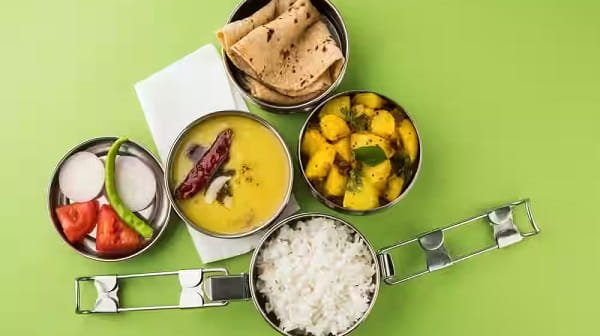
Bangalore’s massive working professional population — hundreds of thousands of IT employees, startup founders, and MNC workers who live alone or in small families far from their hometown — creates an enormous and perpetually underserved demand for home-cooked, healthy, and affordable daily meals. Restaurant food is expensive for daily consumption, Swiggy and Zomato deliveries add significant cost and delivery charges, and cooking personally after a 10–12 hour working day is neither practical nor appealing for most Bangalore professionals.
A cloud kitchen or tiffin delivery service directly addresses this daily pain point — providing home-style meals delivered to apartments and offices on subscription plans at prices significantly below restaurant delivery while offering the quality, nutrition, and cultural familiarity that processed or restaurant food cannot consistently provide.
The business model is genuinely capital-light — requiring only a commercial kitchen setup or a well-equipped home kitchen certified for commercial use, basic packaging materials, and a delivery mechanism through personal delivery or Dunzo/Porter partnerships. Monthly subscription packages of ₹3,500–₹5,000 providing daily lunch and dinner generate predictable recurring revenue that single-order restaurant models cannot match for business planning stability.
Bangalore’s extraordinary diversity — Kannadiga, Tamil, Andhra, North Indian, and international communities living in close proximity — creates opportunities to specialise in regional cuisines that cater to homesick professionals wanting their state’s specific food traditions: authentic Rajasthani thali subscriptions, traditional Bengali meals, Keralite sadya-style delivery, or healthy Tamil brahmin cooking all command premium pricing from customers who cannot find authentic regional home cooking anywhere else.
Key Success Factors: Food safety certification, consistent quality, reliable daily delivery, and responsive WhatsApp-based customer service that addresses requests and feedback personally. Starting with 20–30 subscription customers from your immediate residential community before scaling eliminates the marketing cost that kills most early-stage food businesses.
2. Digital Marketing Agency for Local Businesses
Bangalore has approximately 2 lakh registered small and medium businesses — restaurants, retail shops, coaching centres, salons, clinics, real estate agencies, and boutiques — the vast majority of which have minimal or no effective digital presence despite operating in India’s most digitally sophisticated city. The gap between where Bangalore’s consumer attention is (Instagram, Google, YouTube) and where most local business marketing investment goes (hoardings, newspaper ads, word of mouth) represents one of the most consistently profitable small business opportunities in the city.
A digital marketing agency serving Bangalore’s SMB market requires primarily skill rather than capital — proficiency in social media management, Google Business optimisation, basic graphic design, content creation, and Google Ads management is the asset base. Starting investment involves a laptop, basic design tool subscriptions (Canva Pro, Adobe), and digital advertising spend knowledge rather than physical infrastructure.
The Bangalore market’s specific opportunity lies in the dense concentration of restaurants, cafes, fitness studios, and boutique retail in neighbourhoods like Indiranagar, Koramangala, HSR Layout, and Whitefield — all competing intensely for the same digitally active young professional audience. A consultant who can demonstrably improve Google ratings, Instagram following, and online order volume for one restaurant in Koramangala gains referral access to every competing establishment in that neighbourhood simultaneously.
Monthly retainer models of ₹15,000–₹40,000 per client managing social media content, Google Ads, and local SEO create sustainable recurring revenue. Managing 5–10 clients simultaneously is achievable for a solo operator or small team, generating ₹75,000–₹3 lakh monthly.
Key Success Factors: Demonstrable results for initial clients, a strong personal social media presence that serves as your own portfolio, and specialisation in a specific industry vertical — restaurant marketing, clinic digital presence, or real estate lead generation — rather than generic service delivery.
3. EV Charging Station Business
Bangalore has one of India’s highest electric vehicle adoption rates — driven by the IT professional demographic’s environmental consciousness, the city’s severe traffic congestion making short-range EVs practical, and the Karnataka government’s active EV promotion policies. Electric two-wheelers and four-wheelers are multiplying rapidly, but the public charging infrastructure continues lagging behind adoption rates — creating a genuine infrastructure gap that small business entrepreneurs can profitably fill.
Installing EV charging stations in high-density residential areas, apartment complexes, office parking facilities, and commercial areas with long-dwell customers (restaurants, malls, supermarkets) addresses a specific and growing daily need. Revenue models include per-unit electricity charging with profit margin above purchase cost, monthly subscription plans for residential apartment users, and revenue-sharing arrangements with the property owners hosting the infrastructure.
Initial investment of ₹3–8 lakh covers 2–4 commercial-grade charger units, installation, and necessary electrical infrastructure upgrades. Partnership with established charger brands like Tata Power EV, Ather Energy, or Exicom provides technical support and sometimes subsidised equipment costs. Karnataka government subsidies under its EV charging infrastructure promotion scheme reduce net investment further for qualifying installations.
Key Success Factors: Location selection is paramount — high-traffic residential areas with large apartment complexes offer guaranteed daily user volumes. Securing 5–10 year agreements with apartment associations or commercial property owners for designated charging bays creates protected revenue that competitors cannot easily displace.
4. Home Salon and Doorstep Beauty Services
Bangalore’s working women — one of the city’s largest professional demographic segments — face a persistent time problem with traditional salon services. Weekend salon queues, weekday evening time constraints, traffic making salon visits genuinely difficult after work hours, and the premium that time-poor professionals place on convenience has driven rapid growth in doorstep beauty service demand across the city’s residential neighbourhoods.
A home salon business offering professional-grade haircut, hair treatment, facial, waxing, bridal makeup, and nail art services directly at clients’ residences addresses exactly this convenience gap. The business requires modest investment — professional salon tools and equipment (₹30,000–₹80,000), a curated product kit of professional brands, and a basic Instagram presence that builds a portfolio of before-and-after work — but delivers margin structures significantly better than employed salon work.
Platforms like UrbanClap (Urban Company) provide initial customer acquisition during the establishment phase. Building a personal client base through direct Instagram marketing and WhatsApp referral networks progressively reduces platform dependency — and the 25–30% commission that platforms charge — as the business matures. Specialising in high-demand services like bridal makeup, hair keratin treatments, or luxury facial protocols commands premium pricing (₹2,000–₹8,000 per appointment) that makes even modest appointment volumes financially rewarding.
Key Success Factors: Professional certification from recognised beauty institutes builds client confidence. Punctuality and hygiene standards that match or exceed salon experiences drive the repeat bookings and referrals that grow this business most effectively.
5. Personalised Gifting Business
Bangalore’s corporate culture — with its constant cycle of employee birthdays, work anniversaries, team celebrations, client appreciation gestures, and festival gifting — creates year-round demand for personalised, thoughtful corporate and individual gifts that generic gifting hampers cannot satisfy. A personalised gifting business creating customised products — engraved office items, custom printed apparel, personalised photo books, branded hampers, and curated experience gifts — serves both corporate bulk orders and individual premium gifting.
The business requires minimal physical infrastructure — a basic inventory of customisable products, relationships with vendors for sublimation printing, laser engraving, and packaging, and an Instagram and Meesho/Etsy presence for individual customers alongside direct corporate sales outreach. Corporate bulk orders of 50–500 units for company events, employee appreciation programmes, and festival gifting represent the highest-revenue opportunity — a single corporate order of 200 customised product hampers can generate ₹1–3 lakh in a single transaction.
Bangalore’s startup and IT company density means decision-makers for corporate gifting are LinkedIn-accessible — direct outreach to HR managers and administrative decision-makers in companies within specific Bangalore tech parks generates qualified leads more cost-effectively than any advertising spend.
Key Success Factors: Reliable vendor relationships that ensure print and personalisation quality, fast turnaround capability for last-minute corporate orders, and an Instagram profile showcasing gifting aesthetics that attracts individual premium customers alongside corporate clients.
Why Bangalore is India’s Best City for Small Business in 2026
Bangalore’s combination of high average income, young demographic, strong startup culture, tech-enabled service adoption, and year-round pleasant climate creates a small business environment where well-executed ideas find customers faster than in any comparable Indian city. All five business ideas on this list have specific structural advantages in Bangalore’s market — the IT professional tiffin customer density, the SMB digital marketing gap, the EV adoption rate, the working women convenience demand, and the corporate gifting budget scale — that make them materially more viable here than generic national business advice suggests.
Frequently Asked Questions (FAQs)
Q: Which is the lowest investment small business idea in Bangalore 2026?
A: A personalised gifting business and digital marketing agency both start with investments below ₹50,000 — making them the most accessible options for entrepreneurs with limited initial capital.
Q: Is the cloud kitchen business still profitable in Bangalore despite Swiggy and Zomato competition?
A: Yes — subscription-based tiffin services operate on a fundamentally different and more stable model than restaurant delivery platforms. Monthly subscriptions create predictable revenue and direct customer relationships that platform-dependent businesses lack.
Q: What licences are required to start a food business in Bangalore?
A: FSSAI food safety registration is mandatory. GST registration applies once annual turnover crosses ₹20 lakh. BBMP trade licence for home-based commercial food operations is also required.
Q: How can I find corporate clients for a personalised gifting business in Bangalore?
A: LinkedIn outreach to HR managers and administrative heads at IT companies in Whitefield, Electronic City, and Manyata Tech Park is the most direct and cost-effective channel. A strong Instagram portfolio enables warm approaches.
Q: Is the EV charging station business viable for individual entrepreneurs or only large companies?
A: Individual entrepreneurs with access to ₹3–8 lakh and suitable property partnerships can profitably operate EV charging stations — several Bangalore-based individual operators manage profitable multi-station networks serving apartment complexes.
 Saurav